
Canker Sores in Kids: What Parents Need to Know
If your child suddenly complains that it hurts to eat, brush, or even talk, a canker sore (aphthous ulcer) may be the culprit. The good news: most are harmless and heal on their own.
What Does a Canker Sore Look Like?
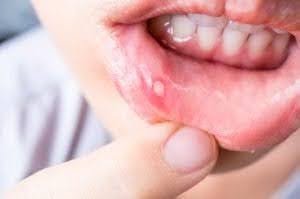
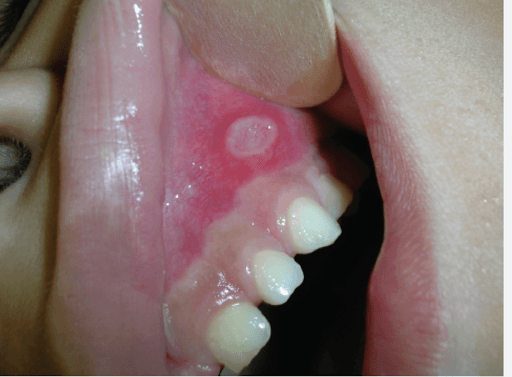
Canker sores usually appear inside the mouth — on the inner lips or cheeks, gums, tongue, or other soft tissues. They often look like:
- A small round or oval sore
- A white, yellow, or gray center
- A red border around the outside
- One sore, or occasionally several at once
Why Did My Child Get One?
Sometimes there is no obvious cause. Common triggers in children include:
- Accidentally biting the cheek or lip
- Irritation from a toothbrush, sharp food, braces, or dental appliances
- Stress or lack of sleep
- Recent illness
- Certain acidic, spicy, or fried foods
- Nutritional deficiencies in some children
According to the National Institute of Dental and Craniofacial Research, canker sores are not contagious and are a separate condition from cold sores (fever blisters), which are caused by a virus and are contagious.
How Long Will It Take to Heal?
Most minor canker sores improve within several days and heal completely within about 1–2 weeks.
What Can We Do at Home?
The goal is to keep your child comfortable and avoid irritating the area while it heals.
For a few days, avoid foods that are spicy, sour, acidic, salty, or crunchy. Try softer, mild foods instead — yogurt, scrambled eggs, oatmeal, pasta, bananas, smoothies, or applesauce.
For children old enough to reliably swish and spit: mix ½ teaspoon of salt into 1 cup of warm water. Have your child gently swish and spit — do not swallow the rinse.
Children’s acetaminophen (Tylenol) or ibuprofen (Motrin/Advil) may help when used according to your child’s age, weight, and their pediatrician’s recommendations. Orajel for children over age 2 may also provide temporary relief — always follow the label directions exactly.
For children with frequent canker sores, it may be worth discussing their diet with their pediatrician or dentist — deficiencies in iron, folate, or vitamin B12 are sometimes linked to recurrent ulcers. Talk to your child’s provider before starting any supplement.
When Should I Call the Dentist or Pediatrician?
Contact your child’s dentist or pediatrician if:
- The sore lasts longer than 2 weeks
- The sores are unusually large, severe, or keep returning
- Your child has many sores at once
- Pain is preventing your child from eating or drinking
- Your child develops fever or other symptoms
- You notice sores elsewhere on the body
- Your child seems dehydrated or is urinating much less than usual
- You’re simply not sure whether it is actually a canker sore
The Bottom Line
Canker sores can look concerning and feel uncomfortable, but most are temporary and resolve without treatment. Keep foods mild, encourage fluids, brush gently, and give the area some time to heal.
If the sore isn’t improving or something doesn’t look right, our Piscataway, NJ office is always happy to take a look.
You might also like: Why Baby Teeth Matter More Than You Might Think
Quick Questions Parents Ask
Are canker sores contagious?
Is a canker sore the same as a cold sore?
Can teething cause canker sores?
Ready for your visit?
If you have any questions or want to start making dental visits a part of your child’s routine, come see what makes Smile Garden Pediatric Dentistry special.
Let’s grow together!